The Grand Inquisitor in the Villa Rosenthal: Experience Freedom as an Image

Date and Time
Location
Price
About this Event
Mood
Venue Type
Freedom or Authority? Bettina Schünemann's The Grand Inquisitor in Jena
In the Villa Rosenthal Jena, literature and fine art meet in a compelling artistic experience: The exhibition presents Bettina Schünemann's 40-part series The Grand Inquisitor based on Fyodor Dostoevsky. At the center is a question of unbroken relevance: Is man capable of freedom or does he seek security in authority?
A literary conflict becomes an image
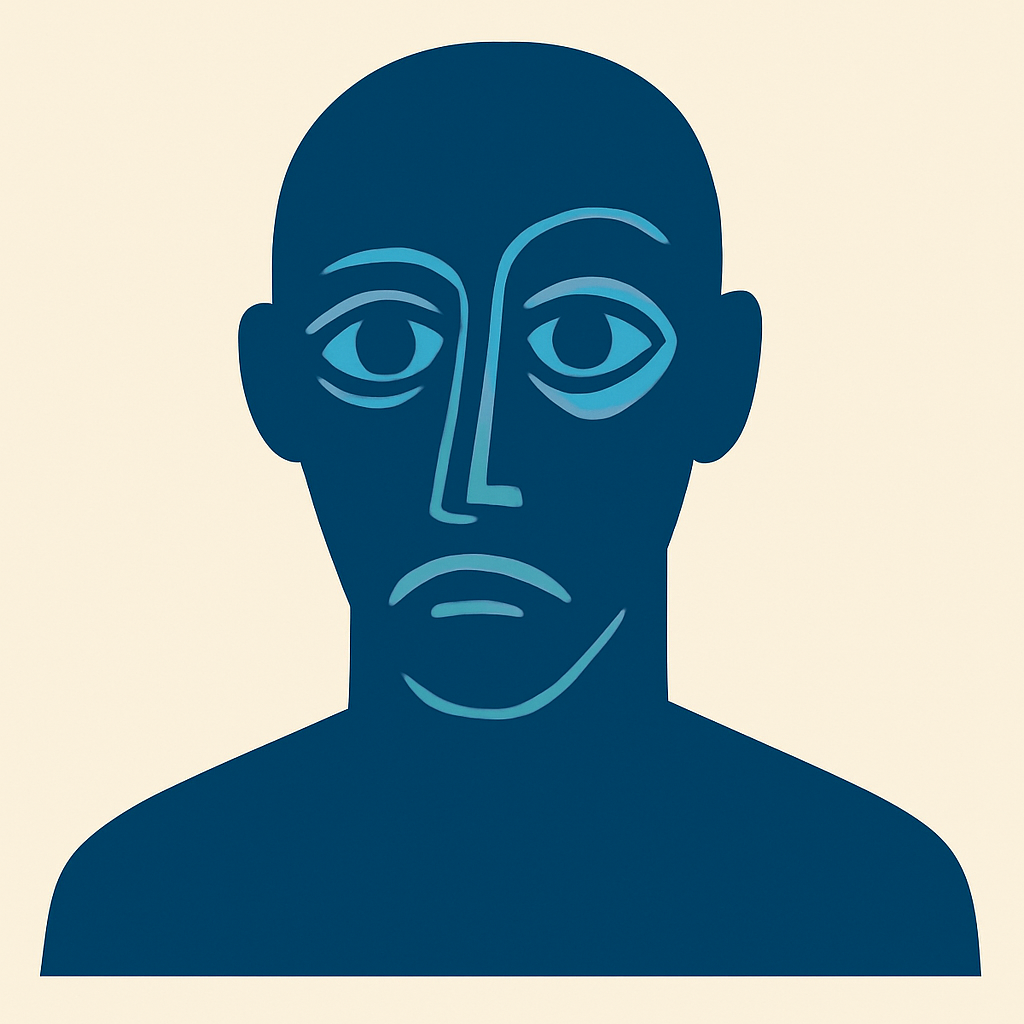
Dostoevsky's Grand Inquisitor appears as an ambivalent figure between religious power, psychological control, and doubt about human freedom. Schünemann translates this literary conflict into a concentrated visual language. The artist focuses exclusively on the head of the authoritarian ruler and develops a psychological study of power, seduction, and inner abysses.
Collage, painting, and the materiality of thought
The series unfolds its effect through a multifaceted material aesthetic. Paper, wallpapers, printed forms, and newspapers are carefully collaged and further processed with gouache, watercolors, crayons, and pencils. Different surfaces, lines, and color layers create a tense exhibition atmosphere, in which the face of the Grand Inquisitor can be read simultaneously as a portrait, mask, and symbol of power.
Bettina Schünemann in art historical context
Bettina Schünemann studied at the University of Fine Arts in Braunschweig with Lienhard von Monkiewitsch and Hans Peter Zimmer. Her artistic work includes painting, collages, assemblages, and installations. The series from the early 1990s forms an important starting point for her work on heads and authoritarian figures. Later works are based, among other things, on map material and satellite images; the artist's works are part of public collections such as the art collection of the German Bundestag and the Free State of Thuringia.
Aesthetic experience with political resonance
The observation of the works leads from the surface to the societal depth. Newspaper and printed forms refer to public life, administration, and ideological order, while the fragmented colors reveal an unstable inner world. The exhibition thereby connects cultural education, literary reflection, and contemporary political sensitivity. Freedom and authority do not appear as abstract opposites, but as forces that condense in faces, gazes, and visual decisions.
An artistic experience in the Villa Rosenthal
The Villa Rosenthal offers a concentrated setting for this encounter of word worlds and image worlds. Visitors experience an exhibition that does not illustrate Dostoevsky's narrative but interprets it independently. The calm spatial impact supports an intense engagement with color, material, composition, and the psychological expression of the presented figure.
The exhibition invites art enthusiasts with a compelling connection of painting, collage, literature, and contemporary political debate. Those who want to directly experience the aesthetic experience of this series and further contemplate the question of freedom and authority from varying perspectives should definitely plan a visit to the Villa Rosenthal.
Official channels of Bettina Schünemann:
- Instagram: no official profile found
- Facebook: no official profile found
- YouTube: no official profile found
- Website: https://www.bettina-schuenemann.de/