
Karsten Schwanke
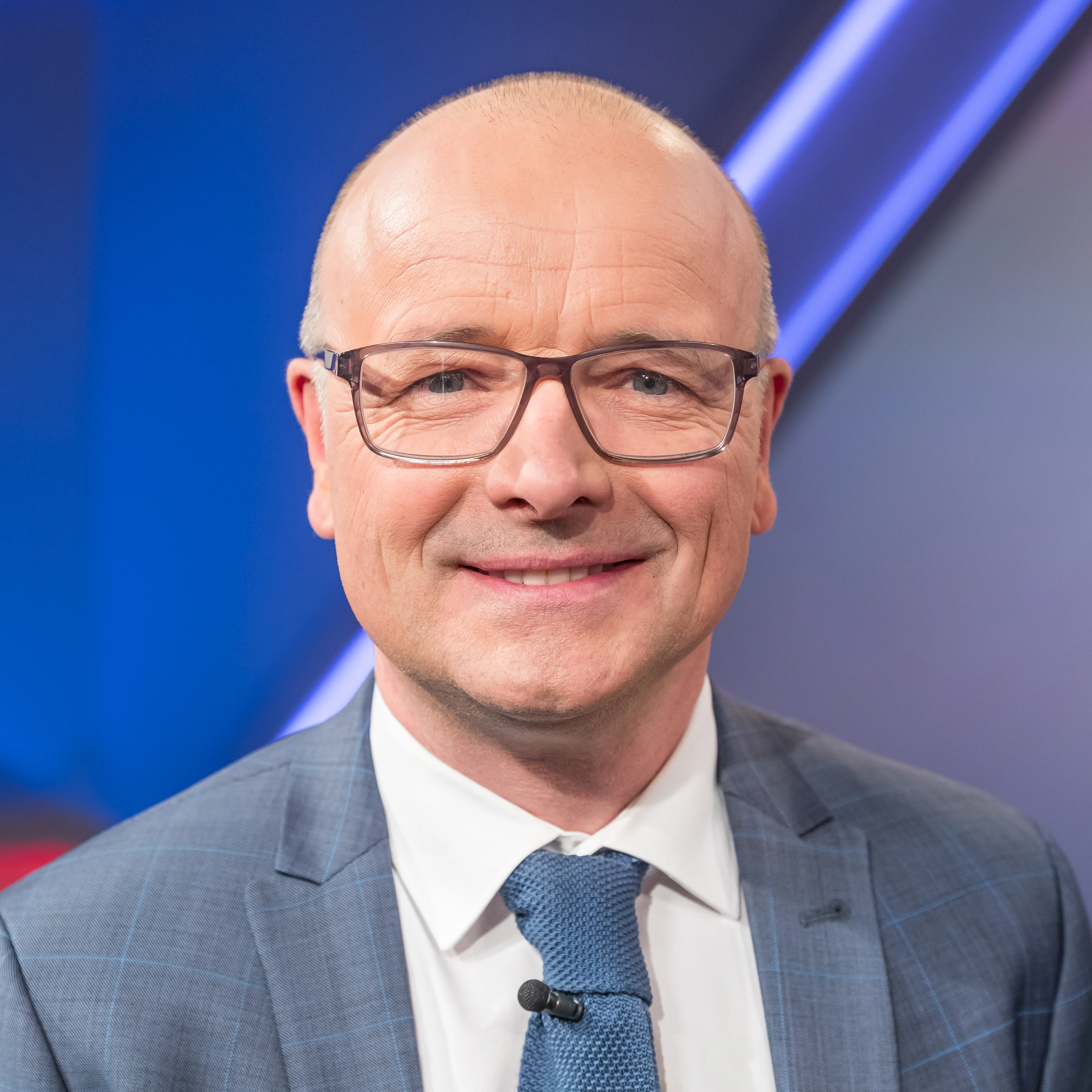
Image from Wikipedia
Image from Wikipedia
Karsten Schwanke: The Precise Narrator of Weather and Science
A German meteorologist who makes complex connections understandable and accessible
Karsten Schwanke, born on February 5, 1969, in Ziesar, is one of the most recognized faces of German science television. As a meteorologist and television presenter, he has secured a place in public broadcasting with a clear, calm, and yet lively style of communication. His career combines scientific expertise with media presence and a pronounced feel for understandable narratives. ([de.wikipedia.org](https://de.wikipedia.org/wiki/Karsten_Schwanke?utm_source=openai))
Early Years and Scientific Education
Schwanke's path began in East Germany and initially led him consistently into the world of science. After training as a technical assistant for meteorology with the Meteorological Service of East Germany starting in 1987, he began studying meteorology at Humboldt University in Berlin in 1988. His thesis titled Simulation of Volcanic Eruptions was developed with the assistance of the world's first 3D volcano model at the German Climate Computing Centre in Hamburg. This early step already showcases a profile that combines scientific precision with curiosity for exceptional research topics. ([de.wikipedia.org](https://de.wikipedia.org/wiki/Karsten_Schwanke?utm_source=openai))
This training continues to influence how Schwanke conveys scientific content to this day. He represents a form of science journalism that does not rely on simplification at all costs, but instead focuses on clear structure, vivid language, and a convincing reduction of complex content. This is a rare strength, especially on television, where weather, climate, and physical processes do not appear as abstract theory, but as comprehensible everyday reality. ([de.wikipedia.org](https://de.wikipedia.org/wiki/Karsten_Schwanke?utm_source=openai))
The Start in Television and the Breakthrough as a Weather Expert
Starting in 1995, Karsten Schwanke worked at Meteomedia AG under Jörg Kachelmann and subsequently hosted The Weather on the First. From 1996, he also appeared on the ARD-Morning Magazine, which made him known to a broad audience. The shift from a scientific background to daily TV practice marked the real career boost: Schwanke became a face that many viewers associate with reliable weather and science communication. ([de.wikipedia.org](https://de.wikipedia.org/wiki/Karsten_Schwanke?utm_source=openai))
His profile gained strength precisely through this dual role: both meteorologist and presenter. In the major early and information formats of television, one needs not only expertise but also timing, authority, and the ability to organize information in just a few seconds. Schwanke met these demands with a factual presence that never came across as patronizing, yet exuded high credibility. ([de.wikipedia.org](https://de.wikipedia.org/wiki/Karsten_Schwanke?utm_source=openai))
From Weather to Science Television
Between 1996 and 2001, Schwanke hosted the children's show Chameleon, which opened up another area as the first show in his TV life without a weather connection. From 1999 to 2003, he followed with the ARD science show Header Ball. Later, from 2006 to 2011, he took over the hosting of Adventure Knowledge on ZDF, succeeding Wolf von Lojewski. In this way, he evolved from a meteorologist in day-to-day operations to a versatile science communicator with his own TV signature. ([de.wikipedia.org](https://de.wikipedia.org/wiki/Karsten_Schwanke?utm_source=openai))
In these formats, Schwanke's strength as a storyteller is particularly evident. Science on television thrives on trust, pace, and structure, and his moderation combines these elements with understandable language. Whether it’s a weather report or a science program: he presents findings in a way that does not seem dry but embeds them in a larger context. This makes his work sustainably relevant for an audience that wants to not only consume content but also contextualize it. ([de.wikipedia.org](https://de.wikipedia.org/wiki/Karsten_Schwanke?utm_source=openai))
Awards and Professional Recognition
For his work, Karsten Schwanke received the Universitas Prize for Science Journalism from the Hanns Martin Schleyer Foundation in 2011. This award underscores that his achievements have been recognized not only on television but also in the journalistic and scientific communication environment. An award of this nature honors not just popularity, but the quality of communication and the public value of clean science reporting. ([whoswho.de](https://whoswho.de/bio/karsten-schwanke.html?utm_source=openai))
The biographical sources also emphasize his role as a prominent presenter and science communicator. Schwanke's career path exemplifies a generation of TV personalities who do not hide their expertise behind a brand but bring it directly into public discourse. This creates authority: not through loudness, but through reliability, recognizability, and substantive expertise. ([whoswho.de](https://whoswho.de/bio/karsten-schwanke.html?utm_source=openai))
Science as a Stage: Style, Impact, and Media Signature
Karsten Schwanke is not a television presenter who relies on effects. His stage presence arises from calmness, structure, and a clear, unexcited language. Especially with complex topics like weather conditions, climate questions, or scientific connections, this attitude proves convincing because it does not assert competence but makes it visible. This results in a style that works both journalistically and didactically. ([de.wikipedia.org](https://de.wikipedia.org/wiki/Karsten_Schwanke?utm_source=openai))
His work demonstrates how strong the connection between expertise and media communication can be. Television demands condensation, journalism requires precision, and science demands correctness – Schwanke has been operating at this intersection for years. Those who follow his shows experience not merely moderation but an organized form of knowledge transfer that builds trust and provides orientation. ([de.wikipedia.org](https://de.wikipedia.org/wiki/Karsten_Schwanke?utm_source=openai))
Cultural Influence and Public Perception
Karsten Schwanke is one of the television figures who are present in the daily lives of many people without pushing themselves into the foreground. This is precisely why his work has cultural reach: weather and science are topics that affect every generation, and his presentations make these contents accessible. His familiarity from the ARD-Morning Magazine and from science formats on ZDF has made him a steady presence in German-speaking information television. ([de.wikipedia.org](https://de.wikipedia.org/wiki/Karsten_Schwanke?utm_source=openai))
His professional influence lies primarily in how he translates science from specialized discourse into the public realm. This positions Schwanke as a journalistic type that combines expertise with understandability and provides the audience with not just information but also context. Especially in times of growing uncertainty about climate and natural phenomena, this ability is of lasting relevance. ([de.wikipedia.org](https://de.wikipedia.org/wiki/Karsten_Schwanke?utm_source=openai))
Current Positioning and Available Public Footprints
The available sources contain no indications of musical releases, discography, charts, or current music projects. Karsten Schwanke's documented career is clearly anchored in meteorology and science journalism. His activities as a meteorologist and television presenter remain the focal point in the available Wikipedia text and the supplementary biographical sources. ([de.wikipedia.org](https://de.wikipedia.org/wiki/Karsten_Schwanke?utm_source=openai))
No officially verified social media accounts could be conclusively found in the web research that identify Karsten Schwanke as official profiles. Therefore, no social media links are provided here. This restraint corresponds with the commitment to cite only reliably identified sources and to avoid making assumptions about unverified profiles. ([de.wikipedia.org](https://de.wikipedia.org/wiki/Karsten_Schwanke?utm_source=openai))
Conclusion: A Presenter with Rare Credibility and Lasting Radiance
Karsten Schwanke is fascinating because he conveys science not in an abstract way, but in a human manner. His career illustrates the journey from a meteorologist with a solid education to a defining television voice that makes weather, climate, and science understandable for a large audience. Those who experience him see a journalist who combines expertise, attitude, and authority in a remarkably clear form. ([de.wikipedia.org](https://de.wikipedia.org/wiki/Karsten_Schwanke?utm_source=openai))
This blend of expertise and accessibility makes him a lasting figure in German television. His professional profile stands for trust, structure, and media quality – values that are more important than ever in the age of information. Anyone who appreciates science communication with genuine depth should experience Karsten Schwanke as a benchmark for precise, credible moderation. ([de.wikipedia.org](https://de.wikipedia.org/wiki/Karsten_Schwanke?utm_source=openai))
Official Channels of Karsten Schwanke:
- Instagram: No official profile found
- Facebook: No official profile found
- YouTube: No official profile found
- Spotify: No official profile found
- TikTok: No official profile found