
Michael Souvignier
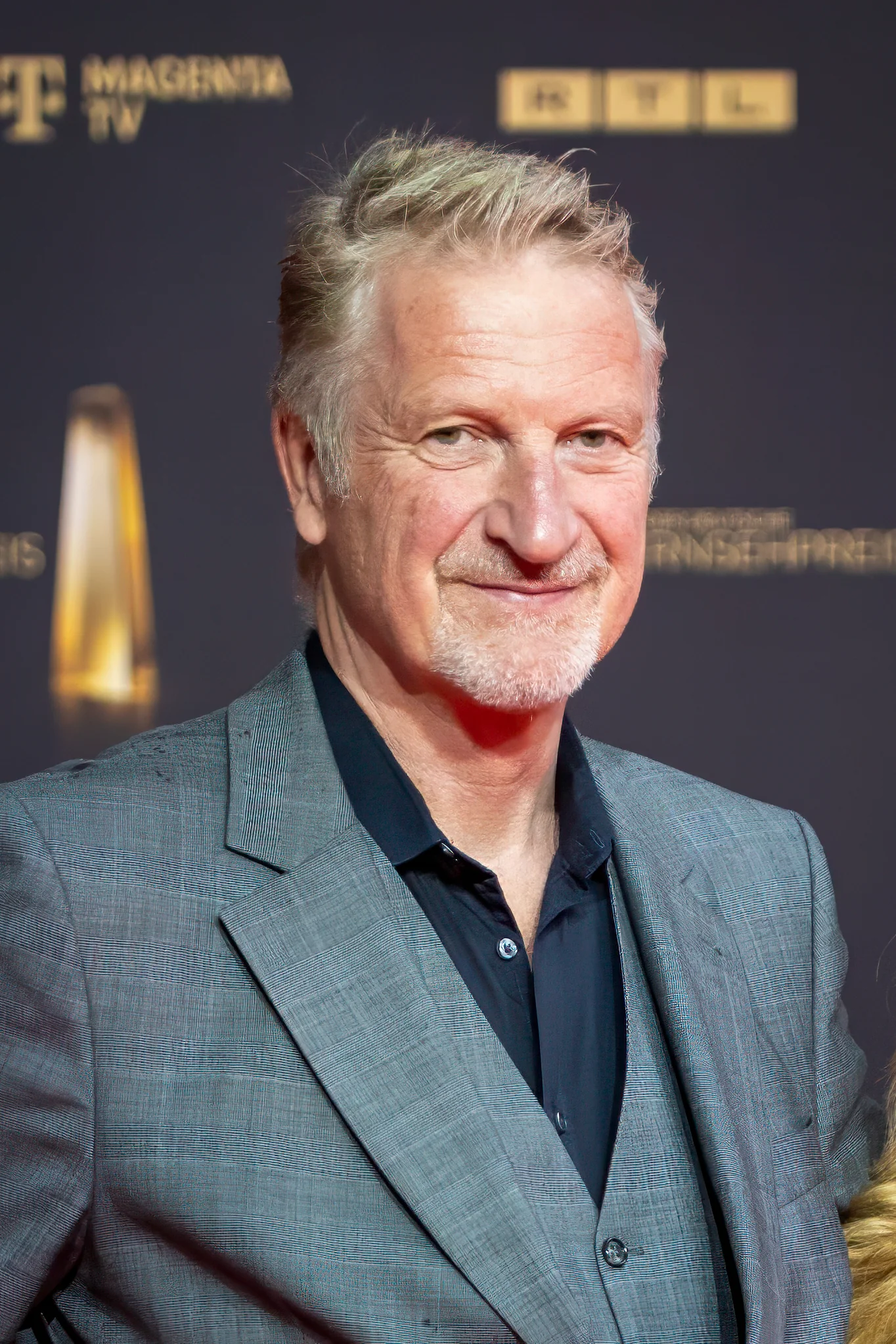
Image from Wikipedia
Image from Wikipedia
Michael Souvignier: Film Art, Memory, and the Power of Storytelling
A Producer with a Photographic Eye and Narrative Handwriting
Michael Souvignier, born on October 31, 1958, in Essen, is one of the defining German film producers, directors, and photographers. His artistic career did not start in a production office but with photography: This foundation continues to shape his perspective on images, figures, and dramaturgy to this day. The official biography captures vividly how he transformed the stillness of a single moment first into moving images, then into stories for television and cinema. ([michael-souvignier.de](https://www.michael-souvignier.de/en/start-en-michael?utm_source=openai))
Biographical Roots: From Image to Motion Picture Storytelling
The path of Michael Souvignier is a classic yet independent development between visual sensitivity and production responsibility. After graduating, he initially worked as a cameraman and director before founding the independent production company Zeitsprung in 1985, which established itself firmly in Cologne and Munich. This dual perspective of creation and organization makes his career particularly notable: Souvignier thinks not only in terms of content but also in images, pace, and emotional impact. ([zeitsprung.de](https://zeitsprung.de/company/?L=0&utm_source=openai))
Career Start: Independence as a Principle
Zeitsprung was born as an independent production company and evolved into a provider of feature films, TV movies, TV series, documentaries, and transmedia productions. This wide-ranging portfolio demonstrates a muscle of storytelling that transcends individual formats: Souvignier works on content that combines historical depth, societal relevance, and strong characters. His career is closely intertwined with German quality television and sophisticated cinema. ([zeitsprung.de](https://zeitsprung.de/company/?L=0&utm_source=openai))
Breakthrough and Recognition: From Contergan to The Miracle of Lengede
Among his notable successes are The Miracle of Lengede and Contergan, productions that received widespread attention and numerous awards. The Miracle of Lengede is regarded as a particularly successful event miniseries in German television, winning, among others, a Bambi, a Golden Camera, and a Grimme Prize. Contergan also received multiple awards, including the German Television Award, the Golden Camera, and the Romy. ([filmportal.de](https://www.filmportal.de/person/michael-souvignier_ef6efe63a0314d158b82c50c8d20cf1d?utm_source=openai))
These works illustrate a central feature of Souvignier's producer profile: He focuses on dramatically condensed narratives with a real core. The lens is directed towards historical ruptures, moral conflicts, and characters whose biographies are charged with both private and political implications. This is where the quality of his film art lies: The themes carry memory but are never presented in a museum-like manner; rather, they are told as a living present. ([filmportal.de](https://www.filmportal.de/person/michael-souvignier_ef6efe63a0314d158b82c50c8d20cf1d?utm_source=openai))
Documentary Curiosity and Historical Themes
Early documentary works marked the beginning of his producer career; later, this curiosity about historical and societal topics became a central driving force in his work. Souvignier worked on themes such as Frau Böhm says No, Landauer – The President, The Barschel Case, and The Diary of Anne Frank. This selection reflects a clear curatorial line: it addresses German history, memory culture, and personalities whose lives are shaped by conflicts and attitudes. ([filmportal.de](https://www.filmportal.de/person/michael-souvignier_ef6efe63a0314d158b82c50c8d20cf1d?utm_source=openai))
Recent Works: Award-Winning Productions and New Themes
Even in recent years, Souvignier has remained productive and thematically relevant. Among the award-winning works from recent years are The Diary of Anne Frank, Mackie Messer – Brecht's Threepenny Film, and especially Dear Thomas, which received nine German Film Awards, including the Lola in Gold for Best Feature Film. These successes demonstrate that Souvignier's production aesthetics continue to resonate with audiences, critics, and funding institutions alike. ([filmportal.de](https://www.filmportal.de/person/michael-souvignier_ef6efe63a0314d158b82c50c8d20cf1d?utm_source=openai))
Current and recent projects such as Cranko, Leaders & Seducers, The Physician 2, and other Zeitsprung productions showcase a continued focus on historical narratives, biographies, and international co-productions. The company positions itself as a specialist in award-winning films, series, and documentaries, while Souvignier remains prominent in management and as a producer. This solidifies his standing in the German-speaking production business. ([zeitsprung.de](https://zeitsprung.de/cranko/?utm_source=openai))
Photography as an Artistic Return
Since 2010, Michael Souvignier has returned to photography, presenting his works in exhibitions in Düsseldorf, Berlin, and Cologne. This step appears to be a return to his origins while also serving as an artistic condensation of his overall work. His photography combines observation, composition, and psychological presence—qualities that also define his film productions. ([de.wikipedia.org](https://de.wikipedia.org/wiki/Michael_Souvignier?utm_source=openai))
Style, Handwriting, and Cultural Influence
Souvignier's style is characterized by a remarkable blend of emotionalization and historical precision. In interviews, he emphasized that complex interconnections must be made emotionally accessible for the audience; this attitude explains the narrative force of many of his productions. His works traverse the realms of event films, biopics, historical dramas, and societal portraits—a spectrum rarely pursued so consistently in German television and cinema. ([munzinger.de](https://www.munzinger.de/register/portrait/biographien/souvignier%20michael/00/29806?utm_source=openai))
Culturally, Michael Souvignier is particularly effective where entertainment and remembrance intertwine. His films bring historical themes from a distance and translate them into accessible, visually rich narratives. This is precisely how productions arise that not only collect awards but also remain in public consciousness, igniting debates about history, responsibility, and identity. ([filmportal.de](https://www.filmportal.de/person/michael-souvignier_ef6efe63a0314d158b82c50c8d20cf1d?utm_source=openai))
Awards and Reception
The list of honors underscores the authority of his work: Grimme Prizes, Golden Cameras, the German Television Award, the Romy, the Bambi, and the German Film Prize highlight central milestones. The success of Dear Thomas, which was awarded the German Film Prize in 2022, stands out particularly. These awards are not just decorative; they are evidence of consistent quality over decades. ([de.wikipedia.org](https://de.wikipedia.org/wiki/Michael_Souvignier?utm_source=openai))
Conclusion: A Storyteller Between History, Image, and Emotion
Michael Souvignier is compelling because as a producer, director, and photographer, he brings a rare, holistic view of storytelling. His career connects visual intelligence, historical interest, and a clear sense of emotional impact. Those who want to experience German film and television history in its concentrated, award-winning form will find an impressive signature in Souvignier's work. Experiencing him live at a film presentation, exhibition, or conversation means encountering an artist who not only creates images but also imbues them with meaning. ([michael-souvignier.de](https://www.michael-souvignier.de/en/start-en-michael?utm_source=openai))
Official Channels of Michael Souvignier:
- Instagram: No official profile found
- Facebook: No official profile found
- YouTube: No official profile found
- Spotify: No official profile found
- TikTok: No official profile found
Sources:
Upcoming Events
Michael Souvignier – New York 1981 to Present
Michael Souvignier – New York 1981 to present
Michael Souvignier – New York 1981 to present
Michael Souvignier – New York 1981 to present
Michael Souvignier – New York 1981 to present
Michael Souvignier – New York 1981 to Present
Michael Souvignier – New York 1981 to Present
Michael Souvignier – New York 1981 to present
Michael Souvignier – New York 1981 to present